

The Easier Flight: what breastfeeding does (and doesn't) solve for you
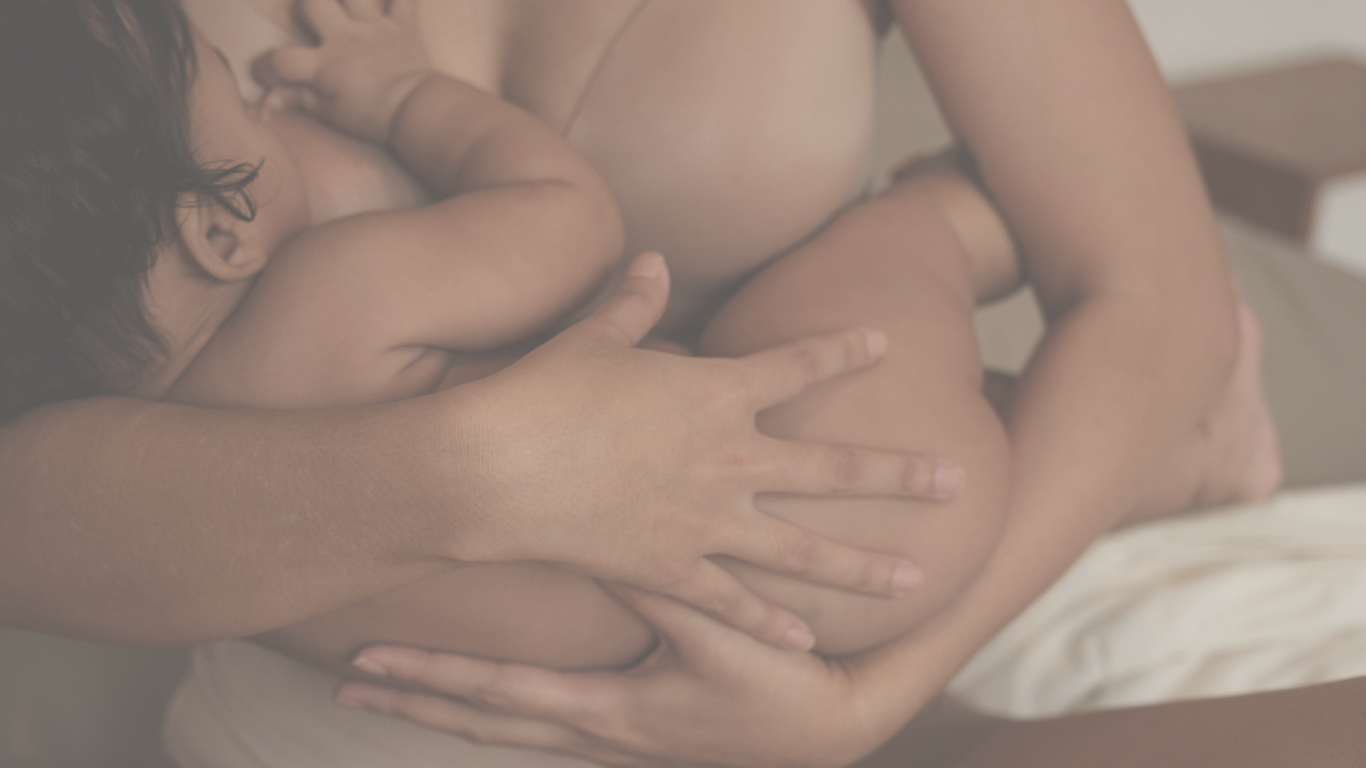
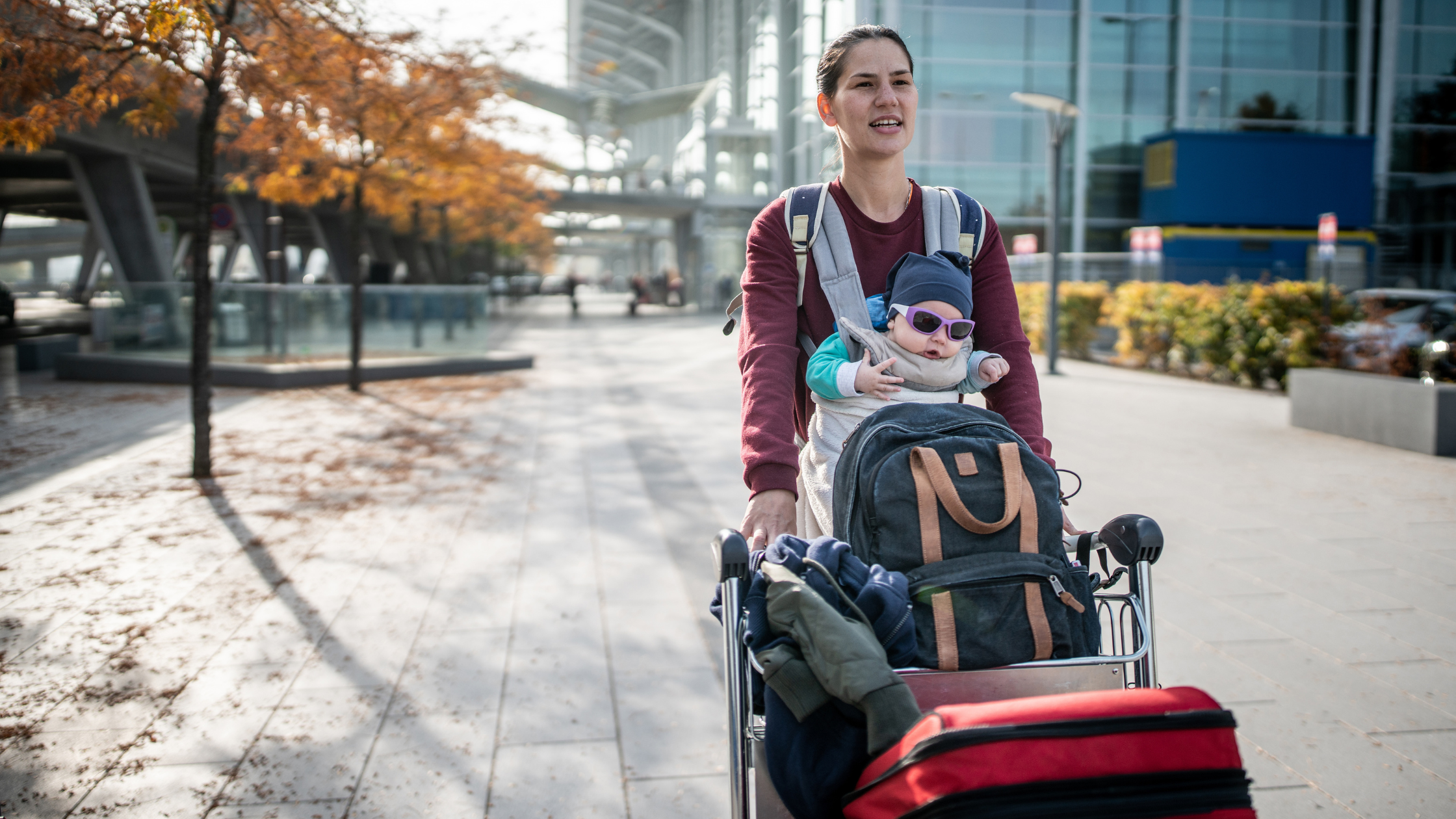
Let's get the obvious bit out of the way: breastfeeding does make flying with a baby easier. No sterilising kit. No pre-measured formula scoops. No frantically Googling whether you can boil water in an airport Costa. Your feeding system is attached to you, works on demand, and doesn't care about time zones or the trolley being three rows away.
But here's the bit that gets skipped in every "breastfeeding is so much easier when travelling!" post: easier doesn't mean no prep required. It means different prep. Skip it, and you'll still end up sat at the gate wishing you'd sorted things the night before.
So let's do both — the honest case for why breastfeeding genuinely makes travel simpler, and exactly what to prep so "easier" actually holds up at 30,000 feet.
What "easier" actually means
It means no formula to measure or warm. No bottles to sterilise mid-trip. No arguing with security about cooled boiled water. Your baby's entire feeding setup is, quite literally, sorted before you've even packed a bag.
That's a genuine advantage, and it's worth claiming. It is not, however, the same as "nothing to think about."
What "easier" doesn't mean
It doesn't mean you can wing it. A breastfeeding flight that goes smoothly is still the result of a few small decisions made in advance, not luck:
- What you're wearing — fumbling with a top mid-feed while a baby screams in row 23 is not "easier," it's a different kind of hard
- Whether you're prepared for a leak — delayed flights and missed feeds are exactly when this happens, and it's avoidable
- Whether you know the security rules — turning up unprepared at the liquids tray with expressed milk is its own kind of stressful, even though the rules are actually in your favour
- Whether you've packed for you, not just the baby — water, snacks, a spare top — feeding on a plane is thirsty, hungry work and it's easy to forget yourself
- Whether you've got a system for expressing on the move — if you're pumping as well as feeding, "easier" depends entirely on whether your kit is organised or scattered across three different bags
None of this is hard. All of it is easy to skip if you assume breastfeeding means "no prep needed," and that assumption is exactly what catches people out.
The rule worth knowing: breast milk and UK airport security
This is the one piece of prep that makes the biggest difference, and it's worth having sorted before you're stood at security with a queue behind you.
In the UK, breast milk is exempt from the standard 100ml liquid limit. You can carry it in containers of up to 2,000ml each, with no legal limit on the total amount, and — since a 2017 rule change — you don't need to be travelling with your baby for this to apply. Declare it separately at the security tray and staff may need to open containers to screen them.
One catch that trips people up: frozen breast milk is not allowed in hand luggage. If you're travelling with a frozen stash, it needs to go in hold luggage instead, or be liquid by the time you reach security. This isn't a minor technicality — it's caught parents out at the gate with milk they then had to throw away, so it's worth checking your stash is the right state before you leave the house.
Your pump is generally treated as medical equipment and doesn't count towards your liquids allowance, though it's worth checking your airline's specific hand luggage policy, since rules and enforcement can vary by airport and airline.
Security rules can change, and individual airports sometimes apply them slightly differently. Always check the current official UK government guidance on hand luggage restrictions before you travel, rather than relying on this or any other blog post alone.
What to wear on travel day
This is where prep actually earns its keep. Strapped into a seat with a baby on your lap, you want access that takes seconds, not a top you're fighting with mid-feed.
The You&Milk Mumbelievable top has a horizontal zip with double sliders sitting just under the chest — quick, one-handed, and just as easy if you're tandem feeding with a toddler in the next seat. Soft organic cotton means it's comfortable for the whole journey, not just the feed.
The Marbra leakproof bra is the one we'd pack for the flight itself. A delayed feed, a missed pump session, the general chaos of travel day — this is exactly when leaks happen, and the built-in leakproof layer means you're covered either way. Wirefree and soft enough to sleep in, so it pulls double duty on the overnight flight too.
Why we chose these two: between them, they cover the actual problem — speed when you need to feed fast, and protection for the hours when you can't. If you're expressing as well, there's a third piece of kit worth sorting before you go too — more on that below.
At the airport and on the plane
Most major airports now have parent or baby care rooms — worth checking your departure airport's site in advance if you'd rather not pump in a toilet cubicle. On the plane, you're entitled to breastfeed or pump whenever you need to; cabin crew can usually point you to a bit more space in the galley if you'd prefer not to do it in your seat.
Once you're there
Time zones can knock a feeding or pumping rhythm sideways for the first day or two — that's normal, and it settles. If you're somewhere warm, breast milk is more heat-sensitive than people expect, so sort a small cool bag and fridge access before you arrive, not after.
This is exactly the kind of moment where having your expressing kit sorted in advance pays off — whether that's pumping at the gate during a delay, in an airport parent room, or back at the hotel once the time difference catches up with you.
The Milk on the Move Expressing Kit is the one we'd pack for pumping on the go. It's a compact, handbag-sized, all-in-one kit — insulated cool bag, storage bags, ice pack and labelling pen all in one place — so you're not juggling loose bottles and ice packs through an airport. Clips to a buggy, slips into hand luggage, and works with most pumps including Medela, Elvie and Momcozy.
The honest answer
Breastfeeding doesn't remove the admin of travelling with a baby — nothing does that. What it does is swap one set of prep for a smaller, simpler one. No measuring, no sterilising, no formula rules to navigate. But "smaller" still means showing up with the right top, the right bra, a sorted expressing kit if you're pumping, and a quick read of the security rules. Do that, and easier actually feels easy.
FAQs
Is breastfeeding really easier than bottle feeding when flying? In the ways that matter at security and in the air, yes — there's no formula to measure or sterilise, and your feeding kit travels with you by default. But it's not effortless. A bit of prep around clothing, leak protection and the security rules still makes the difference between a smooth flight and a stressful one.
Can I take breast milk through airport security? Yes — in the UK, breast milk is exempt from the standard liquid limit, carried in containers up to 2,000ml each with no legal limit on total quantity, and you don't need your baby with you. Frozen milk isn't allowed in hand luggage, so check your stash is liquid before you travel. Always confirm current rules on gov.uk before you fly, as guidance can change.
Does my breast pump count towards hand luggage allowance? No, most airlines treat a breast pump as medical equipment, similar to a wheelchair or mobility aid, so it travels in addition to your normal allowance. Check with your airline if you're unsure.
What should I wear to breastfeed on a plane? Something with fast, one-handed access — a zip-front or lift-the-flap nursing top — paired with a leakproof bra in case a feed gets delayed at the gate. If you're expressing too, a compact, all-in-one kit makes pumping on the move far less stressful than juggling loose bottles and ice packs.